[email protected] +92-51-884-0600
Shifa College of Medicine

Department of Community Medicine & Public Health

Community Medicine Dep

At the heart of comprehensive healthcare lies a deep-rooted commitment to the physical, mental and social well-being of individuals, families, and communities. This ethos forms the foundation of the Department of Community Medicine and Public Health at Shifa College of Medicine, where education, service and research converge to shape physicians who are compassionate, competent, and community-oriented. The department is dedicated to achieving the goals of medical education through community-based learning, emphasizing Universal Health Coverage (UHC); a fundamental human right essential for reducing poverty and improving health outcomes.

Guided by the principles of equity and inclusivity, the department is deeply engaged in health promotion and disease prevention activities, prioritizing the needs of vulnerable and underserved populations. Through service-learning, students actively integrate classroom knowledge with real-world community engagement. This approach nurtures empathy and effective communication skills, reinforcing the humanistic dimensions of medical practice. Community-based activities, such as school visits and health awareness seminars/campaigns; including preventive initiatives like breast cancer awareness, help instill in students a sense of social responsibility and the values of preventive and promotive healthcare.

The curriculum being taught by the department focuses on communicable and non-communicable diseases, infectious diseases, global health challenges, and the impact of pandemics and epidemics, particularly in low- and middle-income countries (LMICs).

The department also fosters a strong research culture to generate new knowledge and innovative solutions for public health challenges. By cultivating curiosity and critical thinking, it empowers future medical professionals to lead with integrity and vision.

Through innovative teaching and a real-world focused curriculum, the Department of Community Medicine and Public Health shines as a torch bearer of holistic healthcare education, shaping doctors who not only heal individuals but uplift entire communities through compassion, service, and scientific inquiry.

Faculty Profiles

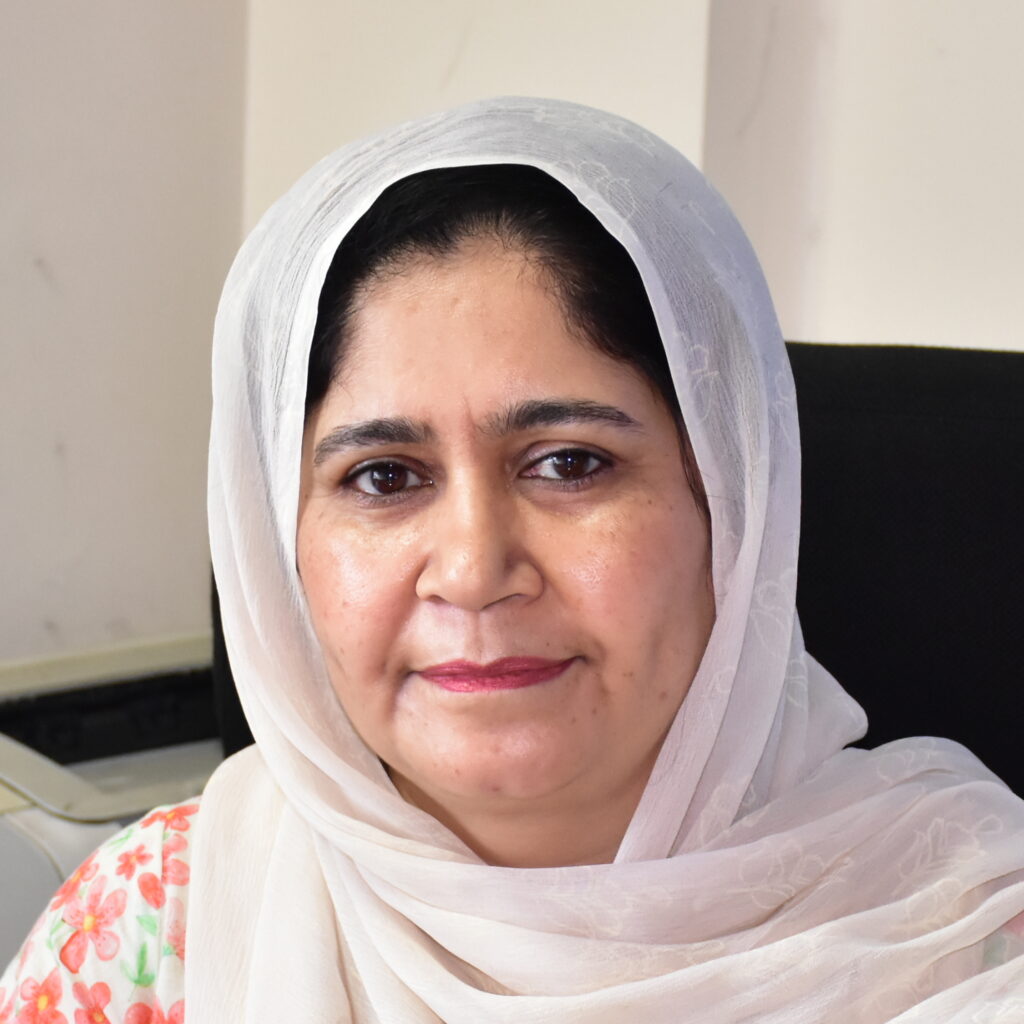
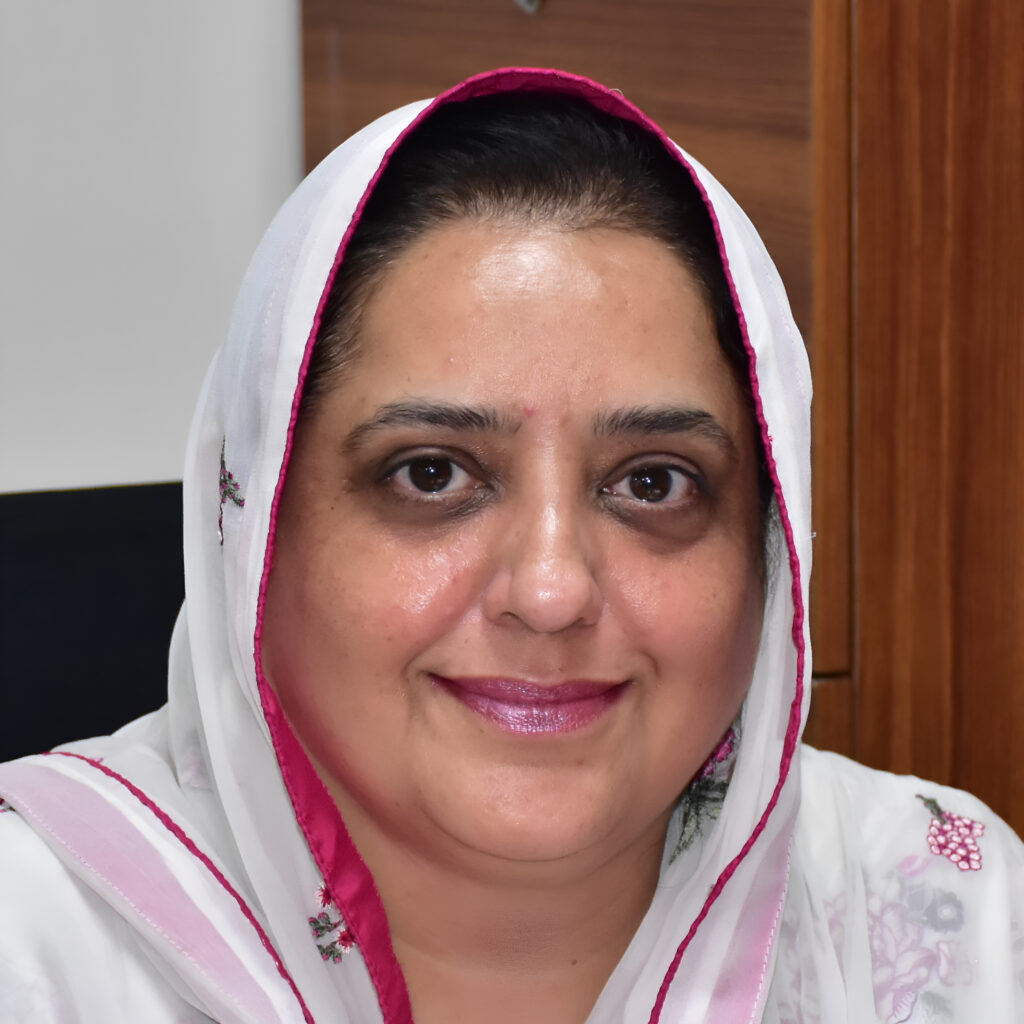
Dr. Umme kulsoom Khattak1
Associate Professor
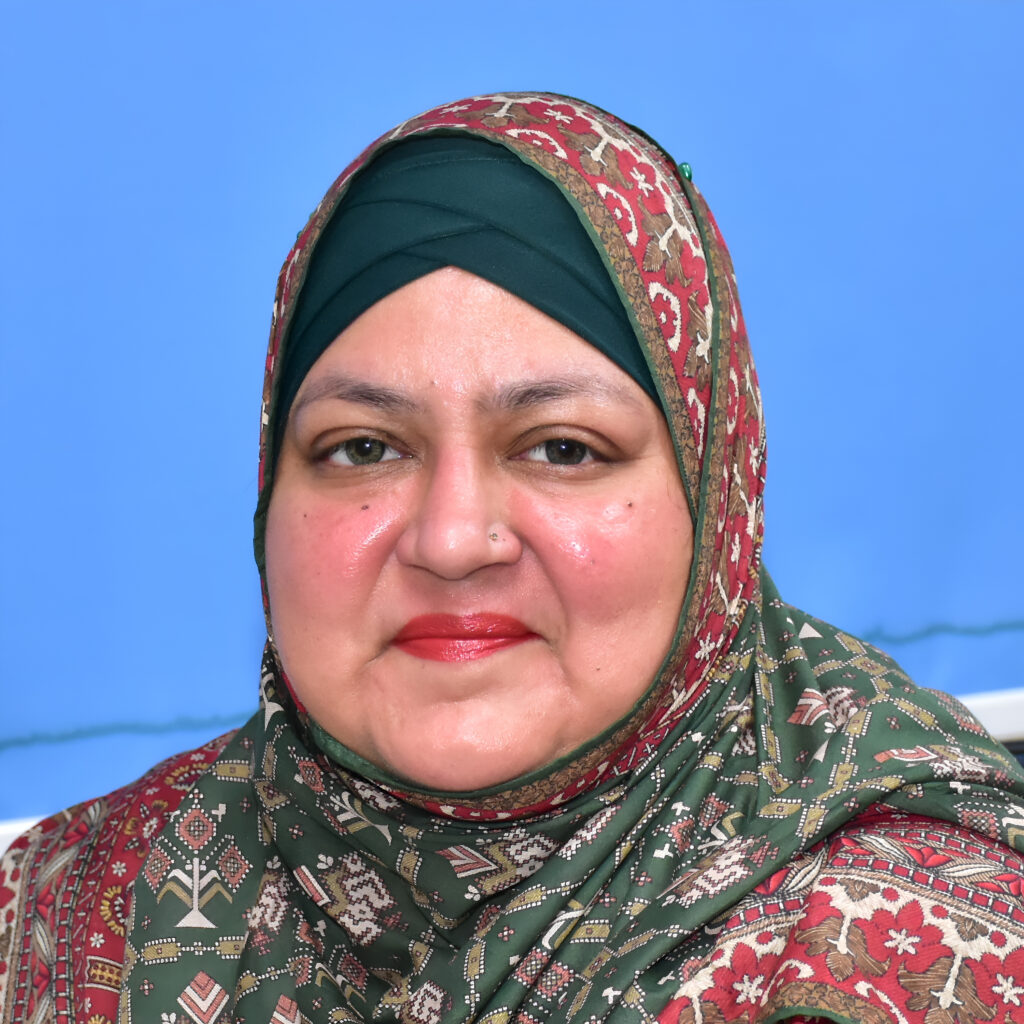
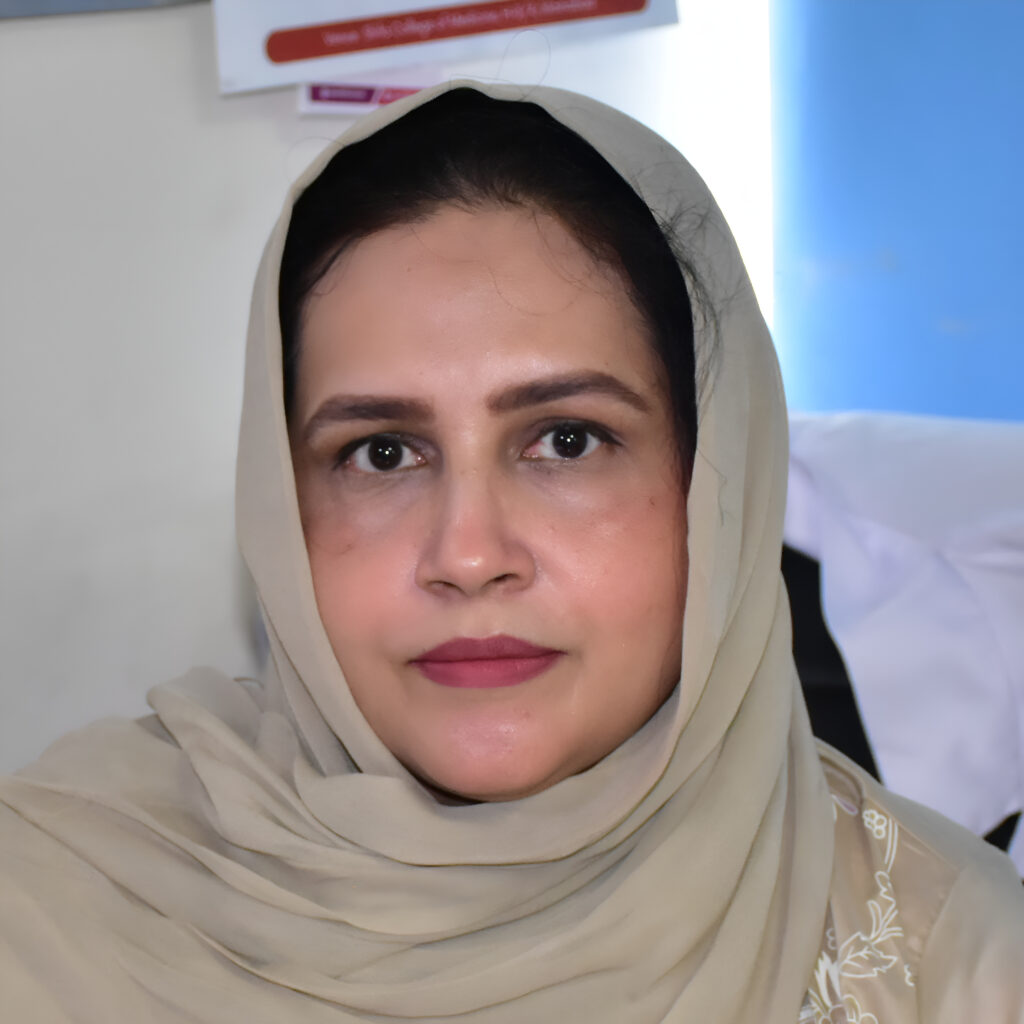
Dr Saima Rafi Picsart AiImageEnhancer
Assistant Professor
1720484662176 jpg 1
Assistant Professor
Dr Maryam Rafiq Ch Picsart AiImageEnhancer
Assistant Professor
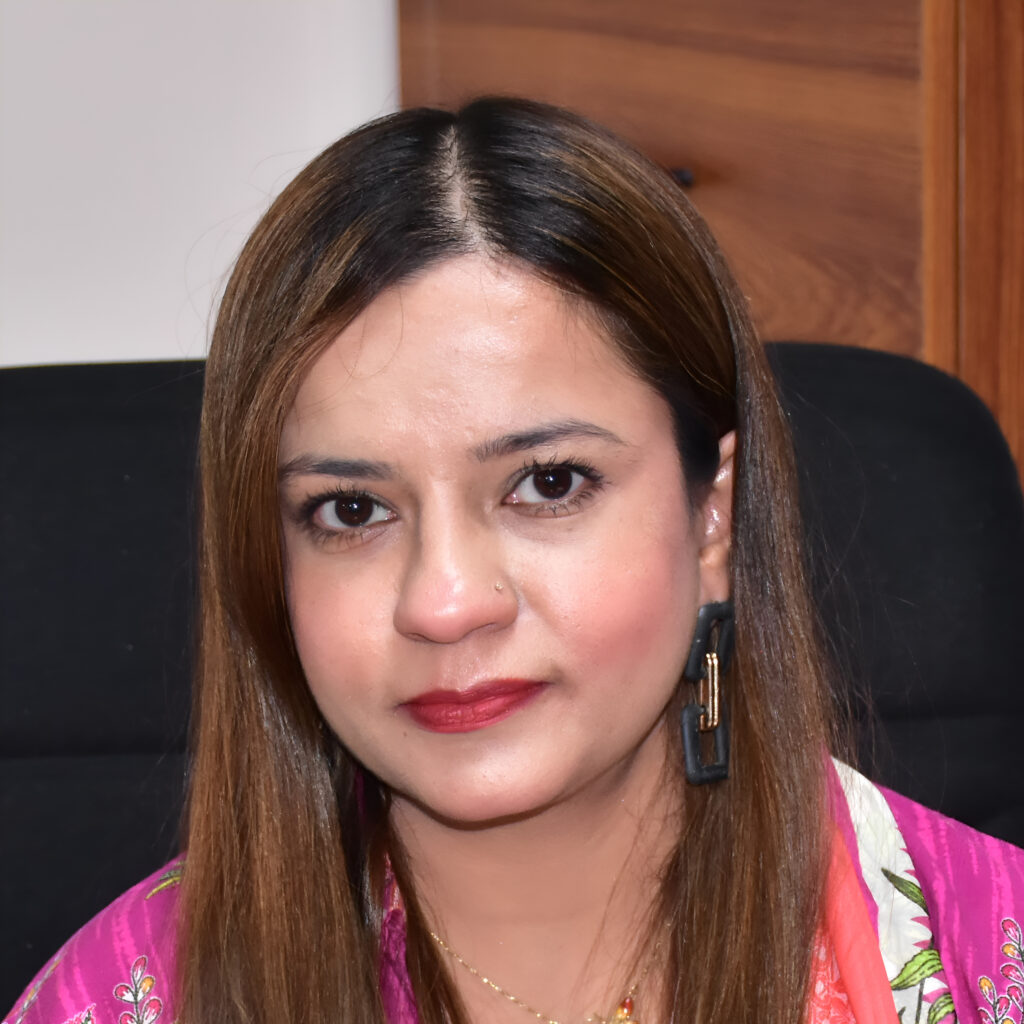
Dr Sadia Ajaib Picsart AiImageEnhancer 1
Senior Demonstrator
Dr Ayesha Javaid Picsart AiImageEnhancer
Dr. Ayesha Javed

Adjunct Faculty

WhatsApp Image 2026 08 10 at 114148 AM 1 1 Picsart AiImageEnhancer
Adjunct Professor

Visits

The department is well equipped with all requisite models /specimens and equipment forsmall group discussions. Field visit to places of public health relevance and importance are carried out to enhance student skills and understanding of importantpublic health issues. Following activities and visits are carried out in order to achieve the competencies of the curriculum

Funds are generated every year by Community Medicine Department in collaboration with junior clerkship students to plant 100-200 trees in parks located adjacent to SCM.

Students spend a day followed by serving as well as eating luxurious lunch with special children at “Care For Special Persons Foundation” in order to practice compassion, empathy, and develop sense of service to humanity.

Donations of money, stationery items, school bags, clothes, milk cartons, white boards, board markers, winter clothes, socks, and caps are generated for the schools’ children which are then handed over personally to the students and the administration by visiting the school

School children and teachers in the public / private sector in Rawalpindi / Islamabad are educated about child sexual abuse through role plays, videos, and lectures.

Students visit SOS Children Village in order to promote empathy, assist in donation of different items and distribution of healthy snacks.

Students get an overview of the work being carried out at National level regarding training of staff as well as special persons with different disabilities.

Students visit thalassemia center in order learn to empathize with the patients suffering from thalassemia and to understand issues faced by their families, to understand the practical steps followed during blood transfusions among these children, to highlight the importance and role of prenatal counseling and diagnosis in order to prevent the disease in the next generation

Donations by clerkship students are utilized to provide wheel chairs, sponsor the school students, and to provide utility items.

Health talks are delivered by the students at Shifa Rotary Clinic in Nur Pur Shahan village to create awareness regarding prevention of diseases and promotion of health in the semi urban communities of Pakistan.

Assessment of nutritional status is carried out by students in underprivileged schools followed by providence of nutritional supplementation which is generously donated by the students.

Students deliver talks on common health problems in different schools to raise awareness regarding preventing diseases and promoting health.

About 800 school children of Mashal Model School at Nurpur Shahan village in Islamabad were dewormed and given Vitamin D Supplementation in two separate visits in order to promote child wellbeing.

Multivitamins are distributed to street children in Nurpur Shahan village in order to address nutritional deficiency as part of malnutrition in the community.

Students get familiarized with the working of Health care system of Pakistan at the level of Primary Health Care.

A visit to the dialysis center is arranged in order to develop empathy in students with patients suffering with kidney problems and to understand the steps carried out during dialysis procedures.

A visit to blood bank is carried out in order to practically understand and learn the prerequisites, procedures, and aftercare regarding blood transfusion process for both the donor and the recipient

Students are exposed to the hospital waste management system in the setting of SIH where they see how different types of hospital wastes are generated, collected, transported, and disposed using appropriate techniques while following infection control guidelines.